EV sales in Australia are taking off in 2025.
The Electric Vehicle Council reports that in the first half of the year, more than 14,000 extra battery electric (BEVs) and plug-in hybrid vehicles (PHEVs) rolled off the lots compared to the same period last year. Now, petrol-free cars make up 12% of all new car sales – up from 9.6% just a year ago.
So, what’s driving the surge? One big factor could be all the incentives on offer. From federal support to state-based rebates, choosing an EV is on a lot of buyer’s radars (or should we say, odometers?)
And if you’re thinking about salary packaging through a novated lease, these incentives could pocket you some big savings.
In this guide, we’ll break it all down for you. You’ll learn what rebates are available, who can claim them, how much you could save, what the tax benefits look like, plus tips on making the most of it all.
EV incentives at a national level
EV FBT Exemption
At the federal level, the big-ticket incentive is the Fringe Benefits Tax (FBT) exemption, introduced in 2022 under the Electric Car Discount.
If you’re getting your EV through a novated lease, this exemption can shave thousands off the total cost. To qualify, your vehicle must:
- Be first held and used on or after 1 July 2022.
- Be priced under the luxury car tax (LCT) threshold for fuel-efficient vehicles, which is $91,387 for the 2025-26 financial year.
One important change: since 1 April 2025, plug-in hybrids (PHEVs) no longer qualify for this exemption.
What could this mean to your purse/wallet?
Here’s an example of the potential savings from the EV FBT exemption versus without it:
That’s $542 less per month and a total savings of $20,971 over the lease term – all thanks to the FBT exemption.
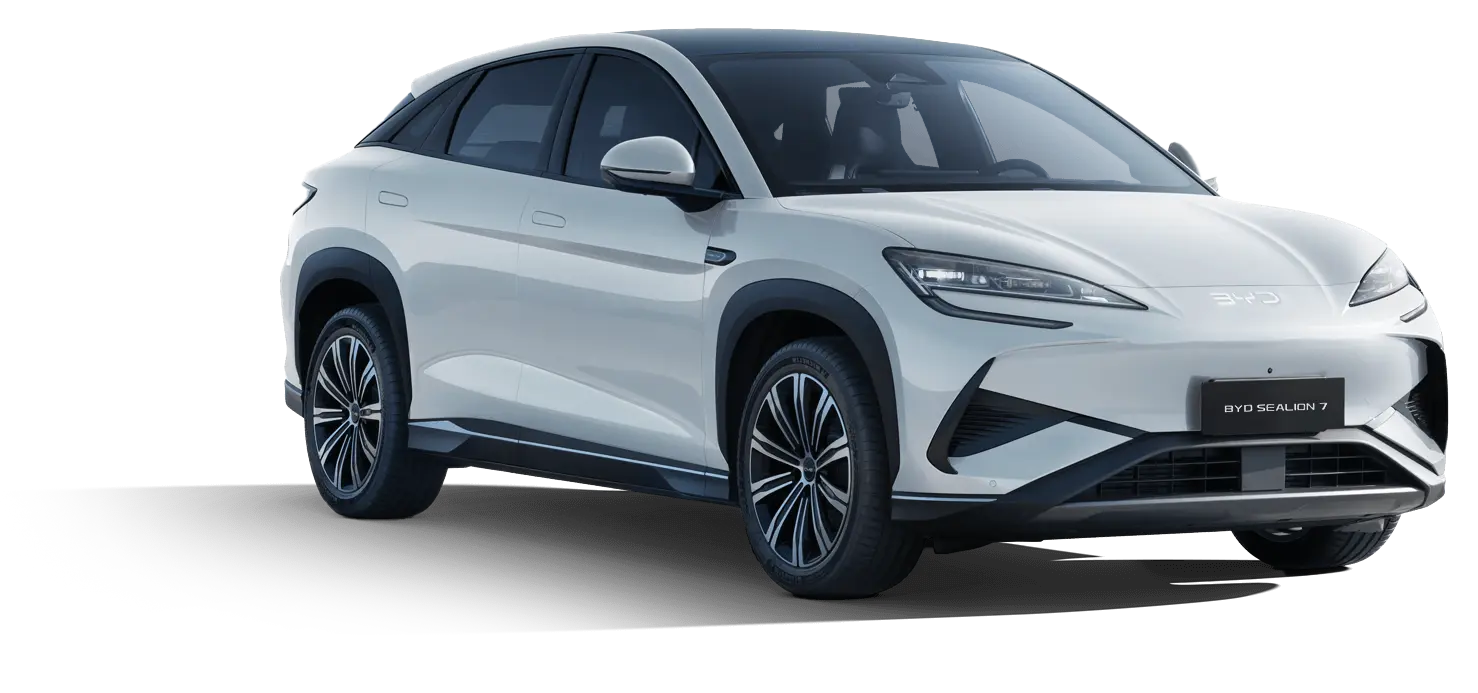
The Seal sedan was the most popular BYD model in 2024, outselling SUV models while delivering a sense of premium electric motoring to buyers.
0% import tariff
Since 1 July 2022, the federal government has scrapped the 5% import duty on eligible EVs. The catch? The car’s customs value has to be under the fuel-efficient luxury car tax threshold ($91,387 for FY2025/26).
It’s all part of the Electric Car Discount policy and helps lower the upfront price of imported EVs.
GST savings
Here’s one a lot of people overlook. With a novated lease, the finance company buys the car and claims the GST – so you’re not paying it directly.
This instantly drops the cost. In fact, the maximum GST saving on an EV novated lease in Australia is $6,334 for the 2025-26 financial year, according to the ATO. This saving applies to the vehicle’s purchase price, which is currently capped at $69,674. And the savings don’t stop there.
Running costs like electricity, insurance and servicing also attract GST, but lease providers can usually claim credits on those too. That means more savings trickling back to you over time.
Higher LCT threshold for eligible EVs
The luxury car tax (LCT) kicks in once a vehicle’s price goes over a certain point. EVs and other fuel-efficient cars get a bigger buffer before that happens.
Right now, the LCT threshold for fuel-efficient vehicles is $91,387, compared to $80,567 for other cars – a gap of $10,820.
Stay under that limit and you avoid LCT altogether. With many EV models now priced below the threshold, there’s a growing list of tax-friendly options to choose from.
What about EV rebates in my state or territory?
On top of the federal incentives, each state and territory offers its own perks – from cash rebates and stamp duty discounts to free rego and cheaper insurance.
Click on your state below so you can see exactly what’s available where you live:
- EV rebates in New South Wales
- EV rebates in Victoria
- EV rebates in Queensland
- EV rebates in South Australia
- EV rebates in Western Australia
- EV rebates in Tasmania
- EV rebates in the ACT
- EV rebates in the Northern Territory
The Seal sedan was the most popular BYD model in 2024, outselling SUV models while delivering a sense of premium electric motoring to buyers.
Why EV incentives work so well with novated leases
EV incentives are already designed to bring down the cost of going electric, but pairing them with a novated lease can supercharge the savings:
- The FBT exemption, GST savings and higher LCT threshold can all apply at the same time, dramatically lowering both upfront and ongoing costs.
- Lease payments come out of your salary before income tax, meaning you’re paying less tax while covering the cost of your car.
- Servicing, tyres, registration, insurance and charging can be bundled into the lease and benefit from the same FBT exemption.
- You can access the incentives without needing to buy the car outright, making it easier to step into an EV sooner.
Put simply: a novated lease lets you claim the most valuable EV incentives while also reducing your taxable income – a combination that’s hard to match with a standard purchase and a major advantage of salary packaging a car.
Common eligibility mistakes
Even with generous incentives, there are some easy ways to miss out:
- Buying over the LCT threshold: Go above the limit and you not only lose certain benefits, you’ll also pay LCT on the excess.
- Getting the timing wrong: The FBT exemption only applies if the car is first held and used on or after 1 July 2022.
- Assuming PHEVs still qualify: Plug-in hybrids are no longer eligible for the FBT exemption.
- Importing from restricted countries: EVs imported from certain nations (like Russia or Belarus) may still attract duties.
- Leasing privately: GST savings through novated leases don’t apply if you buy the car outright or through standard finance.
To wrap up…
The Seal sedan was the most popular BYD model in 2024, outselling SUV models while delivering a sense of premium electric motoring to buyers.